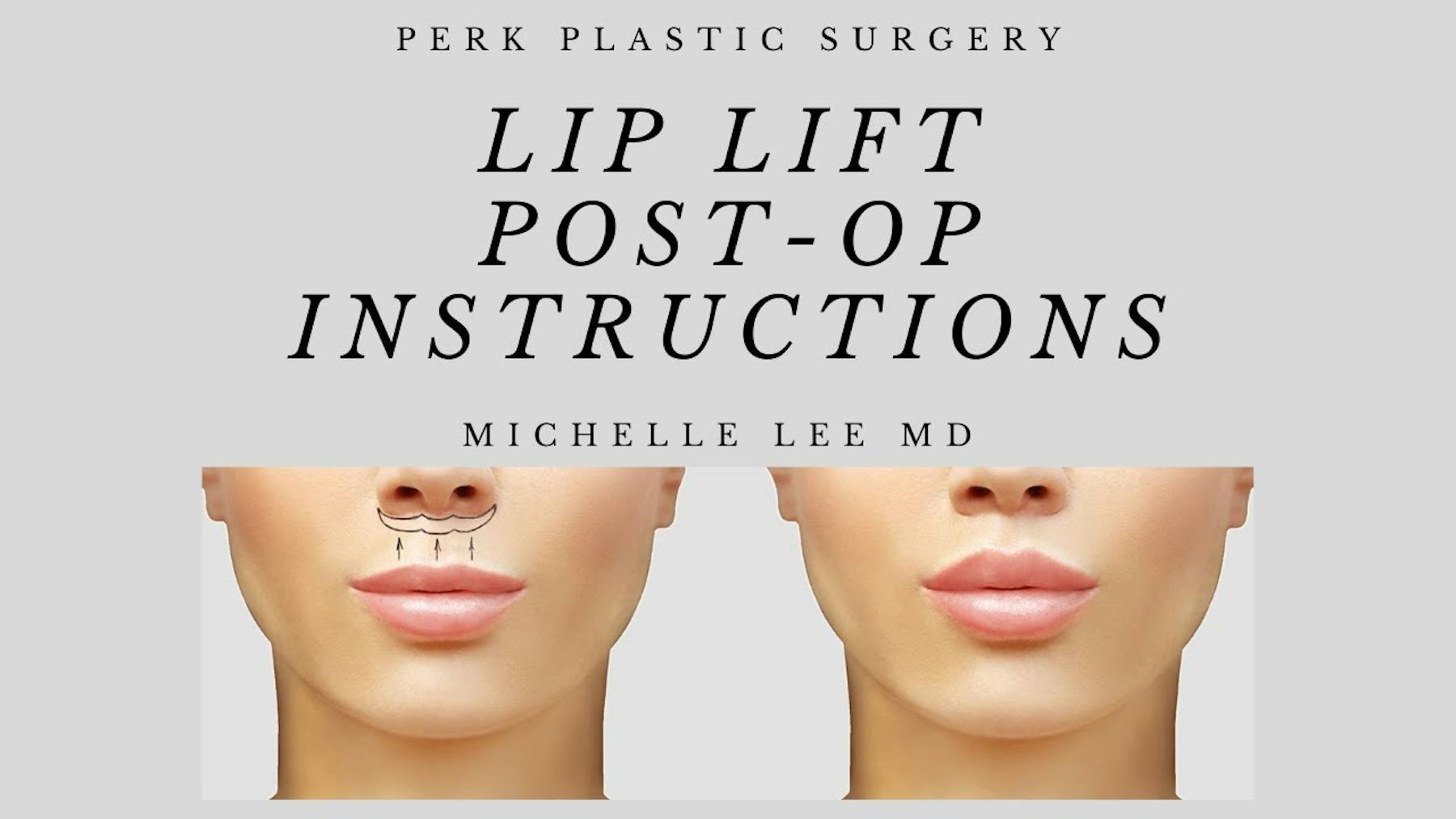
Review detailed recovery instructions for facial procedures at PERK Plastic Surgery, including incision care, healing expectations, activity restrictions, medications, recovery milestones, and post-operative guidance designed to support a smooth healing process and optimal results.


Medication information
Always refer to the medication directions printed on each container for their use.
Pain medication
Important notes:
- Pain medication will make you feel drowsy
- DO NOT DRIVE OR DRINK ALCOHOL while taking prescription pain medicine
- It can be helpful to have another adult’s assistance in home due to drowsiness
- It is best to take pain medication with food – crackers, jello, etc.
- Most patients find that Tylenol is enough to treat discomfort a few days after surgery
- Do not use aspirin, NSAIDs, or other blood thinners within 2 weeks of surgery
- If you have no pain, do not take the pain medication
Antibiotic
You will be given an antibiotic to prevent infection. Please follow the instructions from your pharmacist–also listed on the medication packaging.
Stool softener
Narcotic pain medications can cause constipation. An over-the-counter stool softener, such as Colace, is recommended if that side effect occurs. You can also try a half-and-half mix of prune juice and 7-Up for mild constipation. For severe post-surgery constipation, try the laxative Miralax first, then you may resort to:
- Phillips Milk of Magnesia
- Fleet enemas (regular or oil retention)
Anti-nausea medication
Nausea can be common within the first 24-48 hours following surgery. If you are nauseated, please take your prescribed anti-nausea medicine.
You may be prescribed additional medications. Please take them as directed.