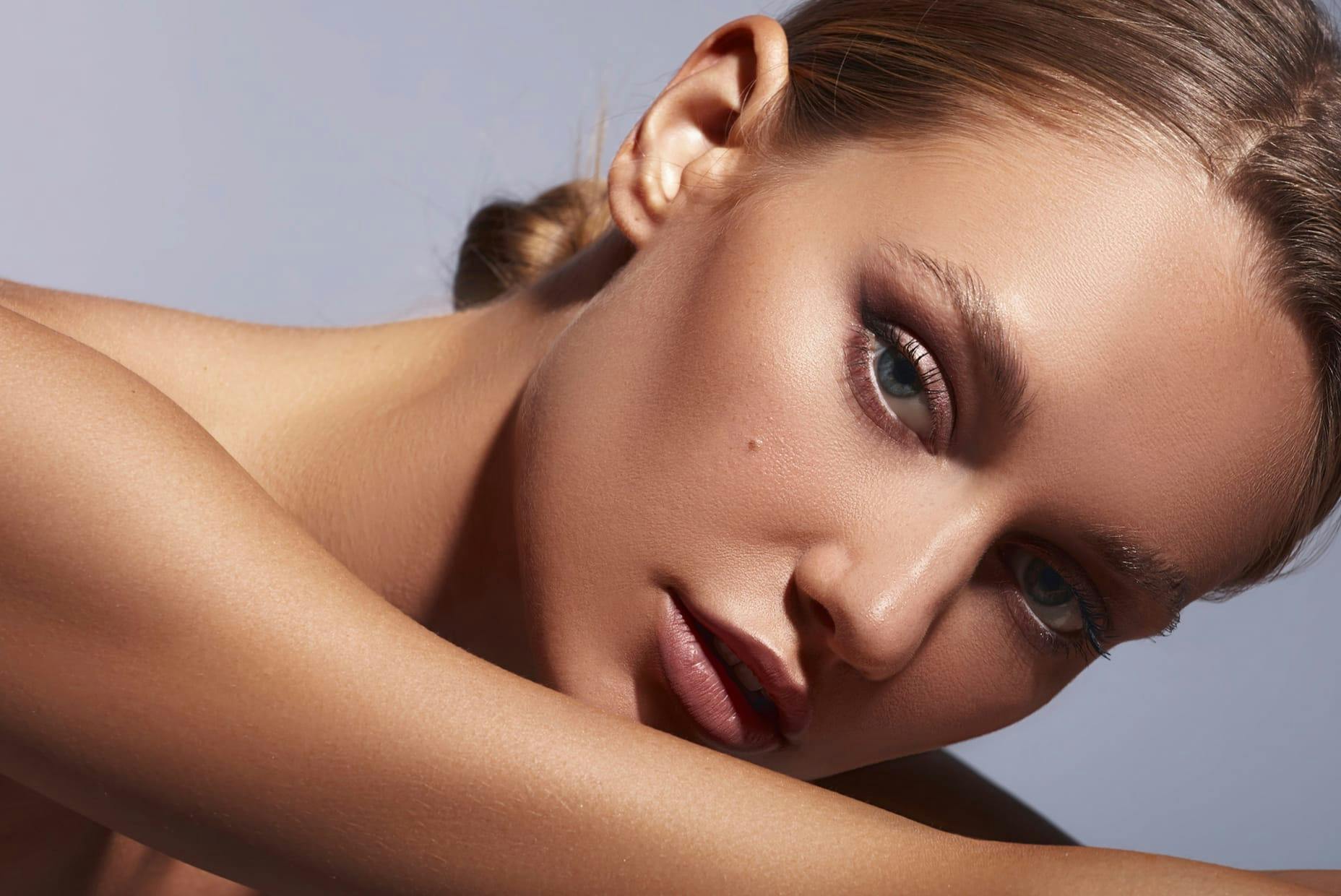
Regenerative Expertise at PERK Plastic Surgery

Dr. Michelle Lee, Harvard-trained and board-certified plastic surgeon, built PERK on the conviction that the most lasting beauty is grounded in your own anatomy. With decades of experience in facial rejuvenation and original research published across the specialty's leading journals, Dr. Lee brings the same millimeter-level precision to regenerative treatments that defines her surgical work. Schedule a consultation to find out whether nanofat is right for your plan.

What Is Nanofat?

Nanofat is a minimally invasive regenerative procedure that uses your own fat to improve skin quality from within. A small amount is collected from a discreet donor site (typically the abdomen, flanks, or inner thigh) using a fine cannula, then processed into an ultra-fine liquid. 

During that step, structural fat cells are filtered out, leaving a preparation concentrated in stem cells and growth factors. Unlike traditional fat grafting, which is used for volume, nanofat targets skin quality: it is introduced in microdroplets into the skin itself, not beneath it.

Benefits of Nanofat

  • May improve skin texture and overall tone
  • Can help reduce fine lines and surface crepiness
  • Addresses under-eye hollowing and darkness that resists surface treatments
  • Uses only your own biological material, with nothing synthetic added
  • Rich in stem cells and growth factors that may support collagen activity over time
  • Minimal recovery relative to traditional fat grafting
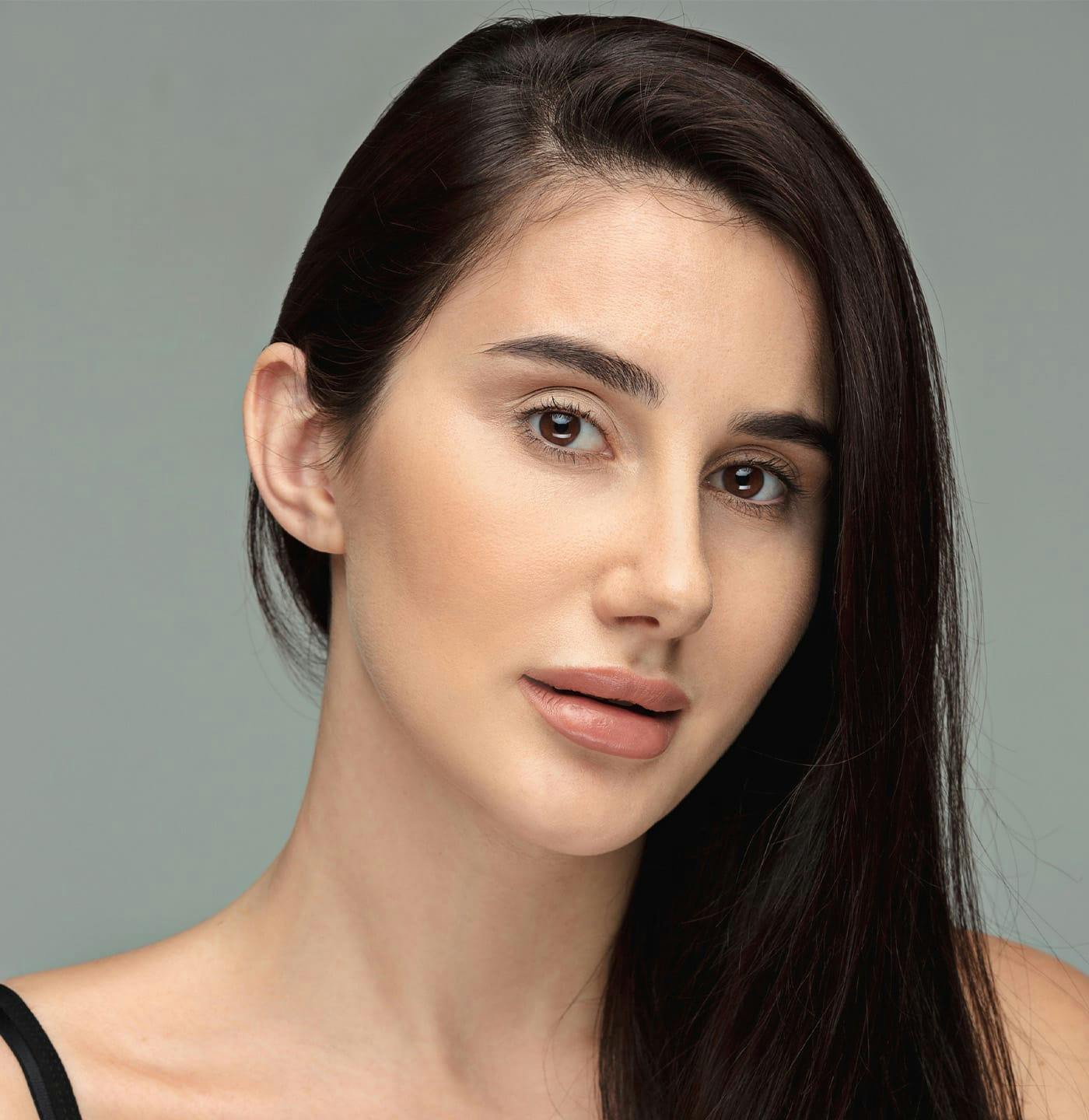
Woman with her hair pulled to the side

Am I a Good Candidate for Nanofat?

Nanofat tends to suit patients noticing skin quality changes that products have not resolved: fine texture, under-eye hollowing, acne scarring, or sun damage. Good candidates are in stable health, do not smoke, and have enough donor fat for a small harvest. Those primarily interested in restoring volume are generally better served by structural fat grafting or dermal fillers. Your anatomy and goals will be evaluated during your consultation.

Why Choose PERK Plastic Surgery for Nanofat?

Nanofat demands precision at every stage, from harvest depth to the placement of each injection. At PERK, every treatment is built around your anatomy, not a generalized approach. 

Dr. Lee's background spans both surgical facial rejuvenation and regenerative techniques, and every step of the nanofat procedure reflects the anatomical discipline that defines her surgical outcomes.

Your Consultation

Every consultation at PERK begins with listening. Your provider takes time to understand what has brought you in and what you have already tried, then assesses your skin quality and available donor areas. The full scope of the procedure is covered before any plan is finalized: realistic outcomes, recovery, and individual risk factors. Every decision follows from your anatomy.

How Much Does It Cost?

Nanofat pricing at PERK is based on the areas treated and whether the procedure is combined with other services. Costs are discussed openly during your consultation. PERK also offers flexible financing through Cherry and CareCredit for those who prefer to manage payments over time.

What to Expect During Nanofat Treatment

Fat Harvest

A small amount of fat is removed from a donor site using a fine cannula under local anesthesia. The harvest requires only as much fat as the treatment calls for, and care is taken to minimize visible marks at the collection site. Most patients find the step straightforward and comfortable.

Processing and Preparation

The harvested fat is run through a mechanical process that breaks it into a fine liquid. Structural fat cells are separated out, leaving a concentrated preparation of stem cells and growth factors. No chemical agents are used at any point.

Injection and Placement

The nanofat preparation is introduced into the skin using microneedles or fine cannulas, guided by the anatomical assessment performed at the start of the appointment. Treated areas may include the under-eye region, fine lines around the mouth, textural irregularities, or acne-related scarring. Depth and distribution are carefully controlled throughout.

Nanofat Recovery

Some swelling and bruising at both the harvest and injection sites is expected in the first few days following treatment. Most patients return to light activity within a week, though the timeline depends on the extent of the treatment and individual healing. Consistent sun protection and a gentle skincare routine in the weeks following will support recovery. The harvest site is small and typically resolves quickly.

Nanofat Results

Because nanofat works through your body's own regenerative processes, improvements emerge gradually over weeks to months rather than right away. How much changes depends on individual biology: baseline skin quality, age, and lifestyle all factor in. Many patients find the results long-lasting, though outcomes vary.

Contact us media

Complementary Treatments at PERK Plastic Surgery

  • Facial Fat Grafting: Uses your own fat for structural volume restoration, making it the preferred option when augmentation is the primary goal alongside skin renewal.
  • Microneedling: Stimulates collagen through controlled micro-channeling and can be layered with regenerative treatments to compound skin quality outcomes.
  • Fractional CO2 Laser Resurfacing: Precision laser energy for meaningful surface renewal, addressing texture, fine lines, and pigmentation.
  • BBL Hero Photofacial: Broad-band light therapy targeting sun damage, redness, and uneven tone for a clearer, more uniform complexion.
  • Moxi Laser: A gentle fractionated laser option that improves skin quality and tone with minimal disruption to daily routine.
  • Eyelid Surgery: For patients whose under-eye concerns involve structural change or excess skin that goes beyond what nanofat alone can address.

Nanofat FAQs

How does nanofat differ from dermal fillers?

Dermal fillers are synthetic or biocompatible materials injected to add or restore volume. Nanofat is entirely autologous, derived from your own fat, and works at the level of skin quality rather than volume. The two approaches address different concerns and can, in some cases, complement each other.

What are the potential risks of nanofat?

As with any minimally invasive procedure involving fat harvest and injection, nanofat carries the possibility of bruising, swelling, and temporary discomfort at both the donor and treatment sites. Asymmetric results or uneven absorption of the preparation are also possible. Infection is rare but is a consideration with any tissue transfer procedure.

How many nanofat sessions are typically needed?

Many patients see meaningful improvement following a single treatment. A second session may be considered if additional refinement is desired after the initial results have fully developed, typically assessed at the six-to-twelve-month mark. This is evaluated on a case-by-case basis.

Can nanofat be performed alongside other procedures?

Nanofat is frequently combined with other treatments, including surgical facial procedures and non-surgical rejuvenation, to support the overall outcome. Whether this approach is appropriate depends on your goals and health profile, and PERK will provide specific guidance during your consultation.

Is nanofat FDA-approved?

Nanofat uses autologous tissue derived from your own body, which is regulated differently from pharmaceutical drugs or injectable devices. The instruments used during the procedure are FDA-cleared for their indicated uses. Patients with questions about the regulatory status of any aspect of their care are encouraged to raise them directly during consultation.

Is nanofat suitable for all skin tones?

Nanofat delivers regenerative material through fine injection rather than energy, making it compatible with all skin tones. The treatment mechanism does not carry the hyperpigmentation risk associated with certain laser treatments, though individual factors are always reviewed during consultation.

What happens to nanofat that the body does not retain?

Some degree of absorption is a natural part of how the body processes autologous tissue, and the proportion that integrates varies by individual. The regenerative benefit of nanofat comes significantly from the growth factors and stem cells delivered during the integration window, meaning that even partial retention can contribute to meaningful improvements in skin quality.

How does nanofat compare to PRP?

PRP (platelet-rich plasma) is another autologous regenerative treatment, derived from blood rather than fat. Both approaches use biological material concentrated in growth factors, but nanofat's stem cell content gives it a distinct mechanism. The two treatments are occasionally used together for a combined regenerative effect.

Begin Your Nanofat Journey at PERK

Dr. Lee's surgical experience distinguishing regenerated tissue from fibrosis on the operating table shapes how nanofat is harvested and placed at PERK. The goal is genuine cellular renewal, driven by living stem cells and growth factors, not the dense, overworked tissue that can result from repeated or imprecise biostimulatory treatment. PERK Plastic Surgery approaches nanofat as a bespoke procedure shaped entirely by your anatomy. If you are ready to explore what biology-driven renewal looks like for you, contact our Beverly Hills office to schedule your consultation today.


This information is provided for educational purposes only and does not replace a consultation with a board-certified plastic surgeon. Outcomes, risks, and suitability vary from patient to patient.

Watch Beverly Hills Plastic Surgeon Dr. Michelle Lee on the Dr. 90210 TV Show on Hulu

Accessibility: If you are vision-impaired or have some other impairment covered by the Americans with Disabilities Act or a similar law, and you wish to discuss potential accommodations related to using this website, please contact our Accessibility Manager at (424) 370-1955.
Contact Us

PERK up your Inbox...