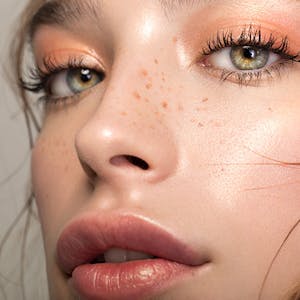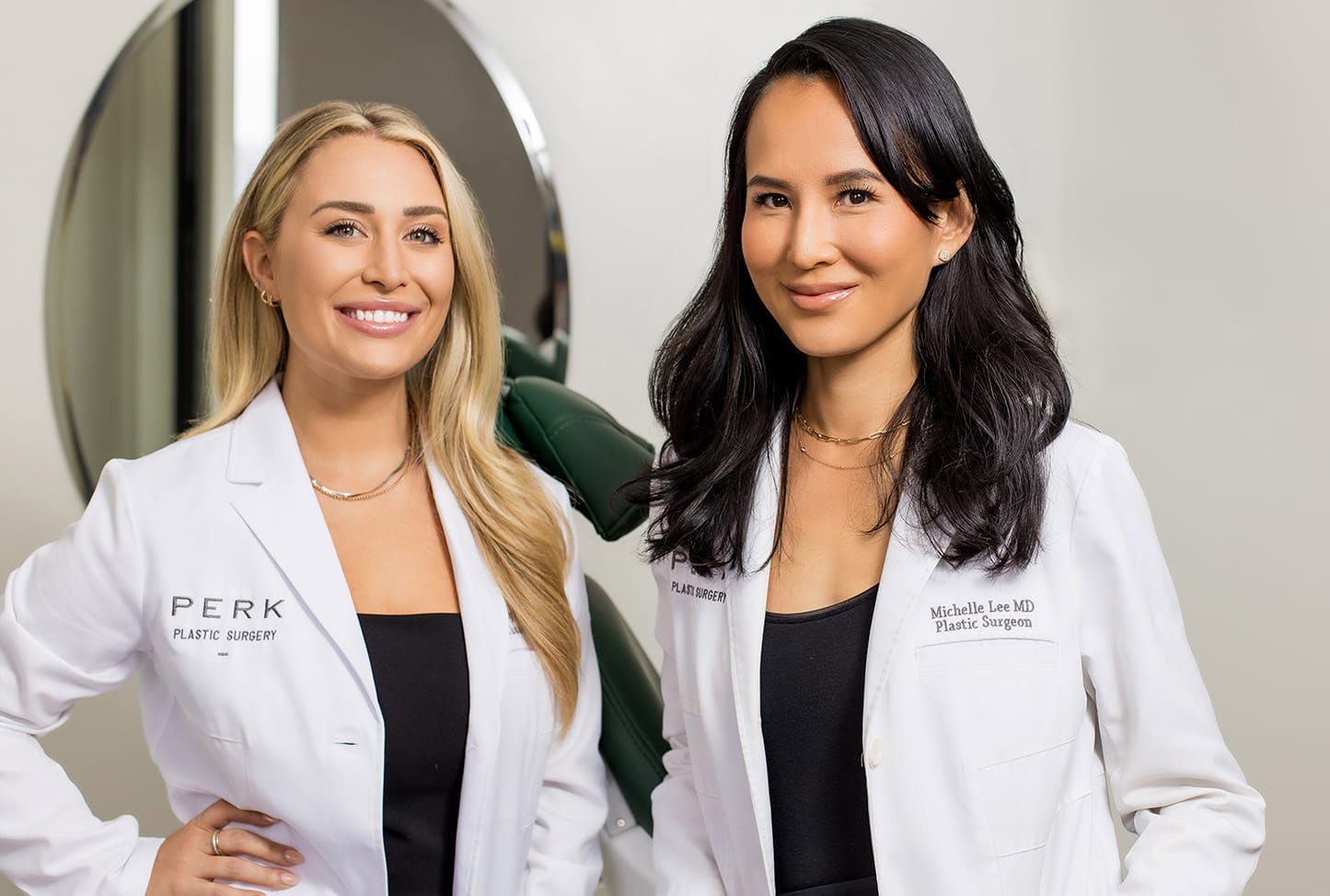
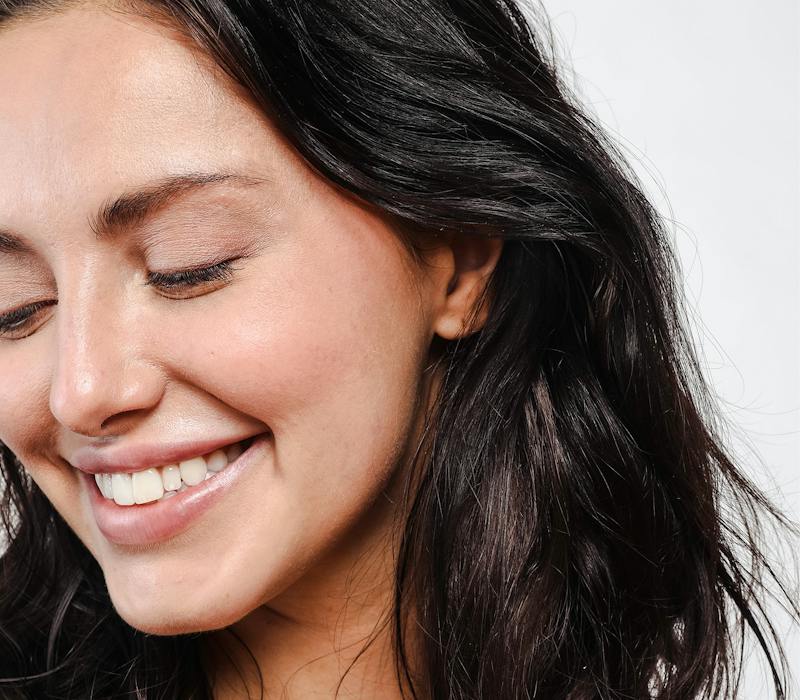
The "Instagram Face" of the 2010s (sculpted cheekbones, overfilled lips, lifted brows) once defined aspirational beauty in plastic surgery consultation rooms. That aesthetic, built on filters and aggressive injectables, is fading. Today's patients want results that read as their own face, only better rested and cared for. Dr. Michelle Lee, board-certified plastic surgeon and founder of PERK Plastic Surgery, has watched this shift unfold in real time and recently discussed the trend in W Magazine. Her patients now arrive with edited photos of themselves rather than celebrity references, asking for subtle refinement instead of dramatic transformation.
This blog explores why the aesthetic is changing, which treatments are gaining momentum, and how approaching the face as a balanced system produces results that feel true to who you are.
What's Driving the Shift Away From Overfilled Features
Several cultural forces are behind this change. Public figures have started speaking openly about dissolving their own filler, which Dr. Lee says gave patients cultural permission to want less. That openness also raised awareness of complications like overfilling and product migration, concerns patients now ask about directly during consultations.
Short-form video is reshaping the standard, too. A still photo captures a single angle, but video reveals how a face moves while talking, laughing, or turning toward the camera. Filler or definition that looks striking in a photo can appear stiff or mask-like on screen, so patients are requesting results built to hold up in motion. The American Academy of Facial Plastic and Reconstructive Surgery reported a similar pattern in its 2025 annual survey, noting that patients increasingly favor natural-looking, thoughtfully planned outcomes over dramatic, late-stage intervention.
Signs You Might Be a Good Candidate for a More Restrained Approach
Not every patient wants the same outcome, and Dr. Lee tailors her recommendations to each face rather than a single formula. Patients considering a shift toward subtler enhancement often share a few common goals:
- Refreshing a tired brow or jawline without changing their overall facial identity
- Preferring gradual, cumulative improvement over a single dramatic transformation
- Wanting results that hold up on video calls, in daylight, and up close
- Prioritizing skin quality and texture alongside any structural change
Treatments Leading Beverly Hills' Quiet Luxury Aesthetic
At PERK Plastic Surgery, this preference for subtlety shows up in the treatments patients request most. PERK's clinical team frequently recommends microneedling and BBL photofacial therapy to improve tone and texture by supporting the skin's own repair process, rather than adding volume or changing shape. Dermal fillers are used in smaller, more precise amounts meant to restore what time has taken rather than build something new.
Fat transfer has also become one of PERK's most requested procedures, despite requiring surgery and a longer recovery than injectables. Dr. Lee has described it as the quiet luxury of aesthetics, since it uses a patient's own tissue to create volume that ages and moves naturally. Facial fat grafting appeals to patients who want long-term improvement without a look that reads as "done."
Dr. Michelle Lee, Board-Certified Plastic Surgeon in Beverly Hills
The move away from Instagram Face reflects something simple: patients want to look like themselves, only rested, balanced, and cared for. Dr. Lee brings that philosophy to every consultation at PERK Plastic Surgery, drawing on her Harvard-trained background in facial rejuvenation to help patients achieve results that hold up in person and on camera. Schedule a consultation with Dr. Lee to explore which approach fits your face.