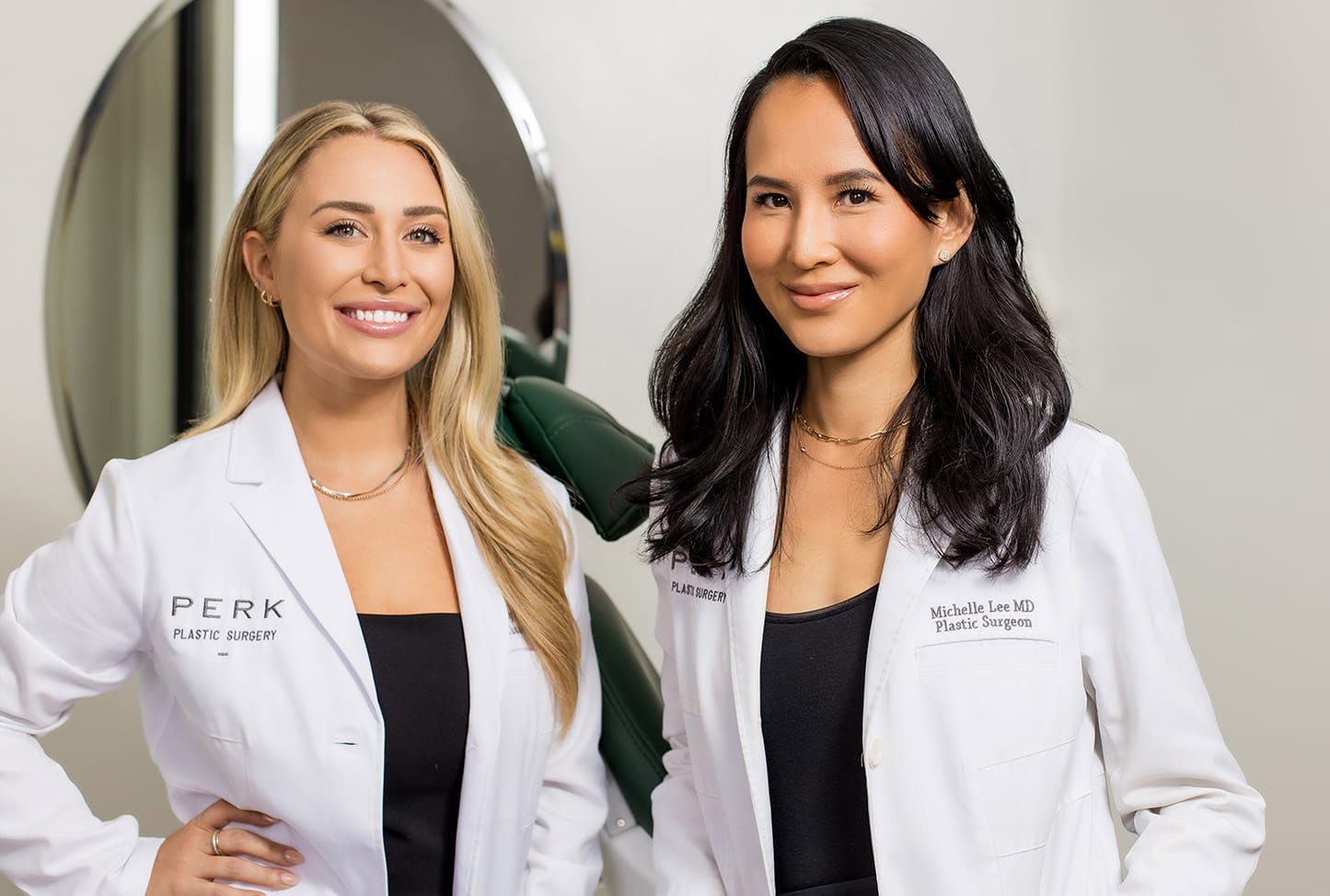
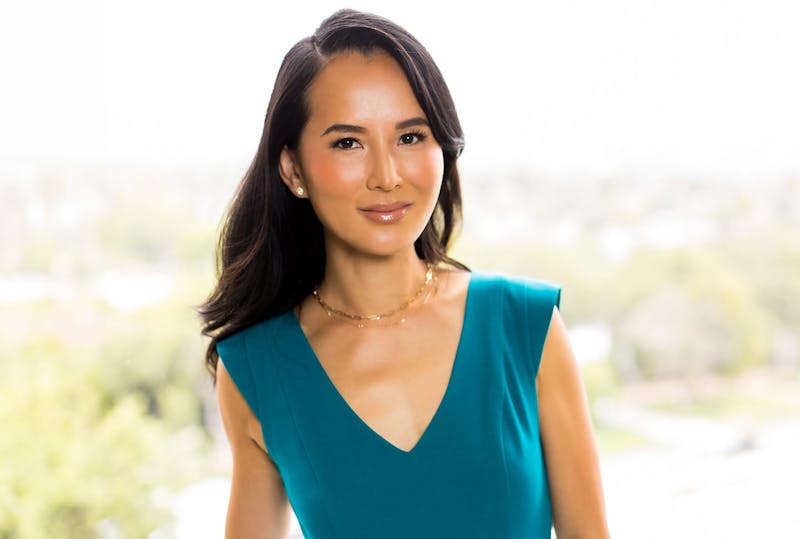
Dr. Michelle Lee, the board-certified Beverly Hills plastic surgeon known for her work on Dr. 90210, recently joined Dr. Ekta Yadav on the Skin Anarchy podcast for an episode titled "Regenerative Medicine Meets Aesthetic Surgery with Dr. Michelle Lee of Dr. 90210."
The conversation moves past social media trends and quick-fix procedures to explore how patients can make more informed, evidence-based decisions in today's cosmetic landscape. Drawing on her training at the University of Pennsylvania, her residency at Case Western Reserve University, and her fellowship at Harvard Medical School's Beth Israel Deaconess Medical Center, Dr. Lee brings a scientifically grounded yet artistic perspective to the discussion.
You can listen to the full episode on Apple Podcasts or watch it on YouTube.
What Dr. Lee and Dr. Yadav Discussed
The episode centers on how beauty, body image, and aesthetic medicine are evolving as cosmetic procedures become more accessible and more heavily influenced by social media. Dr. Lee encourages a more thoughtful, long-term approach to treatment planning rather than chasing trends.
Several themes run through the conversation:
- Why harmony and balance produce more compelling results than symmetry alone
- How to recognize when a patient may not be a good candidate for a procedure
- The growing role of regenerative approaches, including fat grafting, in facial rejuvenation
- Why skin quality often matters more to an outcome than people realize
- How to evaluate a cosmetic decision based on its appearance ten years from now, not ten days
Each of these ideas reflects the philosophy Dr. Lee has built her Beverly Hills practice around: results that look natural immediately and continue to age well.
Why Dr. Lee Believes Harmony Matters More Than Perfection
According to Dr. Lee, beauty doesn’t require erasing every imperfection but restoring balance between features so the whole face reads as cohesive and natural.
This perspective is shaped in part by her background as a concert pianist, a career she pursued for a decade before turning to medicine. That artistic training taught her to see proportion and rhythm, skills she now applies to facial anatomy.
On the podcast, Dr. Lee explains that the most aggressive or trend-driven treatments rarely age well, because they prioritize an immediate look over the person's underlying structure. Instead, her approach at PERK Plastic Surgery follows a simple set of guiding principles: do no harm, ease suffering, and create beauty without overriding what makes a patient's face uniquely theirs.
Knowing When NOT to Treat
One of the most candid parts of the conversation addresses body-dysmorphic tendencies and the responsibility practitioners have to recognize when a procedure is not the right answer. This concern is not hypothetical.
According to the American Society of Plastic Surgeons, previous studies have reported body dysmorphic disorder prevalence rates of two to ten percent among patients seeking cosmetic procedures, and the condition may be underdiagnosed by cosmetic professionals.
Dr. Lee's stance is that ethical patient selection is just as important as surgical skill.
A consultation should include a genuine conversation about expectations, motivations, and whether a treatment will actually address the patient's concern. As cosmetic procedures become more accessible, this kind of screening becomes a bigger part of a surgeon's responsibility.
How Regenerative Medicine Is Shaping the Future of Aesthetic Surgery
Regenerative techniques, particularly fat grafting, come up repeatedly in the episode as a direction Dr. Lee believes the field is heading.
Rather than only adding volume, fat grafting uses a patient's own tissue to both restore fullness and improve the quality of the skin above it. Dr. Lee has long favored this approach in her facial rejuvenation work for exactly that dual benefit.
This shift reflects a broader trend across the specialty. The American Society of Plastic Surgeons reports that patients over 70 are increasingly pursuing plastic surgery to reflect their vitality, with facial fat grafting among the procedures growing fastest in that age group. Dr. Lee's emphasis on skin quality, not just structure, aligns with why this approach continues to gain traction.
Decades, Not Days: Taking a Longevity Approach to Aesthetics
Throughout the episode, Dr. Lee returns to a single guiding question for any cosmetic decision: how will this look in ten years? That framework shapes everything from which procedure she recommends to how she plans incisions and tissue repositioning during a facelift or fat transfer.
A longevity mindset separates a considered treatment plan from a reactive one. A result that looks striking immediately but ages poorly ultimately serves the patient less than one that evolves naturally over time.
Dr. Lee's approach at PERK Plastic Surgery is built around this distinction, favoring techniques that support how a patient's face will change over the years rather than only in the weeks following surgery.
Have Questions About Facial Rejuvenation? Dr. Michelle Lee is Here to Answer Them
Dr. Michelle Lee's conversation on Skin Anarchy offers a rare, unfiltered look at how an experienced, Harvard-trained plastic surgeon actually thinks about beauty, ethics, and long-term outcomes. Patients considering facial rejuvenation, fat grafting, or any surgical or non-surgical treatment at PERK Plastic Surgery are welcome to schedule a private consultation with Dr. Lee to discuss a plan tailored to their anatomy and goals.
Disclaimer: This blog is provided for educational and informational purposes only and is not intended as medical advice. The content reflects opinions and perspectives shared during the referenced podcast episode and does not replace a consultation with a board-certified plastic surgeon. Individual results, risks, and candidacy for any surgical or non-surgical procedure vary from patient to patient.
Sources
- American Society of Plastic Surgeons, "Body Dysmorphic Disorder May Be Under-Diagnosed in Patients Seeking Cosmetic Procedures"
- American Society of Plastic Surgeons, "Plastic Surgery Statistics"