Click here to contact us regarding this procedure
Rhinoplasty is the most common cosmetic procedure performed today. Nasal surgery can be done any time after physical growth of a nose is completed. This corresponds with puberty. The only exception is a younger patient with severe nasal obstruction or sinus disease. We perform rhinoplasty surgery to modify the nose by changing its size and sculpting the nasal structures so that the nose is in harmony with other facial features. When the surgery is done to improve appearance, we re-shape the nose on an individual basis to achieve a more desirable, natural, non-surgical shape. This is in contrast to the unfortunately common and obvious surgical appearance of the scooped-out, turned-up nose with a pinched tip. Surgery may also improve nasal breathing when the septum is deviated or the patient suffers from allergies or sinus problems. Regardless of what is needed, removal of a hump, decreasing the length or width, correcting a deviation, or in some cases building up nasal depressions, we tailor the procedure to meet the individual needs of each patient’s nose and face.
Procedure
The operation generally takes one to two hours. Most incisions are made inside the nose. However, we regularly make a small incision between the nostrils in difficult noses where there has been previous surgery, in noses with abnormalities of the tip, or noses with severe deviations. This “open” approach, which was pioneered in this country almost thirty years ago by Drs. Fleming and Mayer, provides us with an opportunity to see what the problem is, to suture parts directly to minimize later shift, to produce better symmetry and, therefore, to achieve results far better than when we used the older closed technique. Though somewhat more time consuming, the results consistently justify the effort. The external incision is normally inconspicuous. In noses with wide nostrils, small external incisions are sometimes made at the base of the nostrils in order to achieve narrowing of this portion of the nose.
Postoperative Period
The minimal discomfort most patients experience after surgery is easily controlled with mild analgesics. A cast is placed on the nose for approximately six days. In the immediate postoperative period, the patient receives medication for swelling and is instructed to place ice on the eyes to keep swelling to a minimum. In most cases there will be some swelling and bruising around the eyes, lasting six to ten days. When the cast is removed, nasal swelling is present, but this generally goes down quickly and is not obvious to others. However, depending upon the amount of work necessary and the thickness of the skin, the final shape of the nose is not achieved for several months. There will be some stuffiness and nasal obstruction for a short time after surgery, accompanied by a temporary decrease in sensation of the nasal skin. Strenuous activities should be avoided for approximately two weeks.
Rarely are friends and associates able to tell that surgery has been done. This seems hard to believe, but it is true for two reasons. A natural, non-surgical appearance is achieved and others do not clearly remember that a deformity existed.
Risks
There is a possibility of contour irregularities, but these usually resolve with time. When nasal surgery is performed to correct a deviated septum, or other breathing obstruction, there is a possibility of recurrence of this problem.
Rhinoplasty Revision
While rhinoplasty is the most common procedure performed, quantity does not always equal quality. If you are reading this information, you have unfortunately found out the hard way that rhinoplasty requires a special artistic talent as well as a surgical technique. Rhinoplasty is first conceptual: what about the nose should be changed to compliment the features of your particular face. Then, equally important, is the ability to actually create the new nose.
A large number of patients seek out a specialist in revision rhinoplasty (or secondary rhinoplasty) because they are unsatisfied with their initial surgical result. More than fifty percent of rhinoplasty patients that come to the Beverly Hills Institute have had previous nasal surgery. They are researching for the unique kind of expertise that is required to correct their appearance and ultimately provide them with the results they were looking for with the first surgery.
As with the primary rhinoplasty patient, the ultimate goal is to give the patient a natural, non-surgical shape. To achieve this, Drs. Fleming and Mayer pioneered the “open” rhinoplasty technique more than 25 years ago. This technique is particularly well suited for revision nasal surgery.
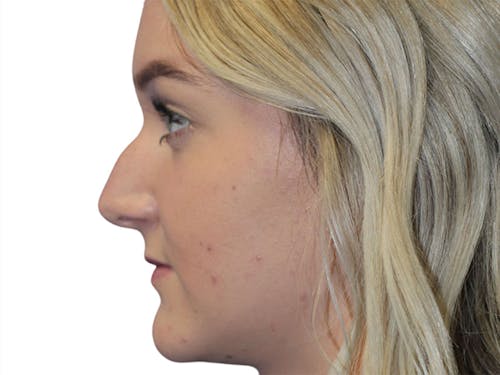
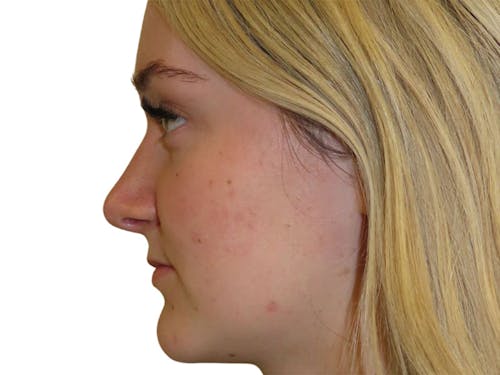
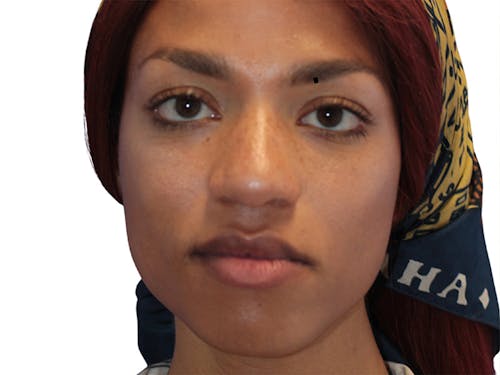
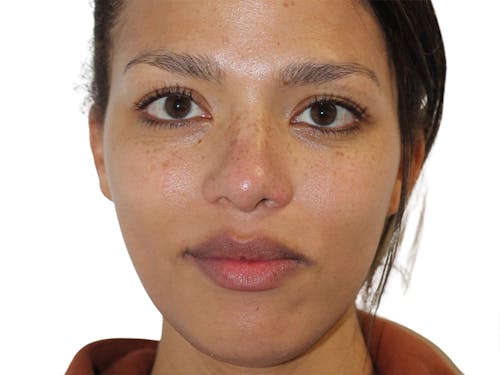
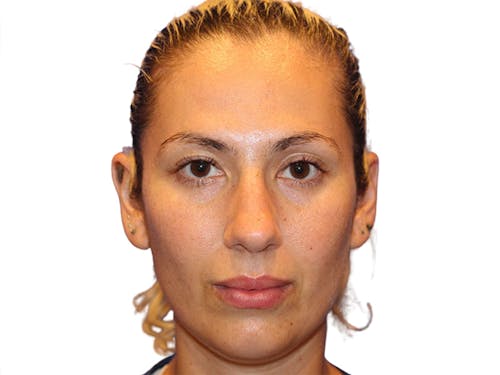
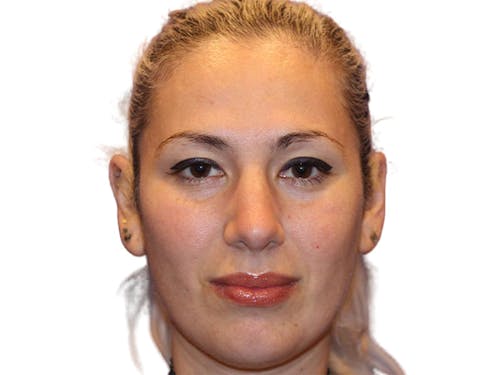
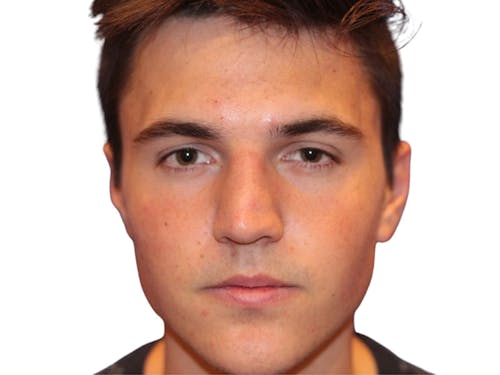
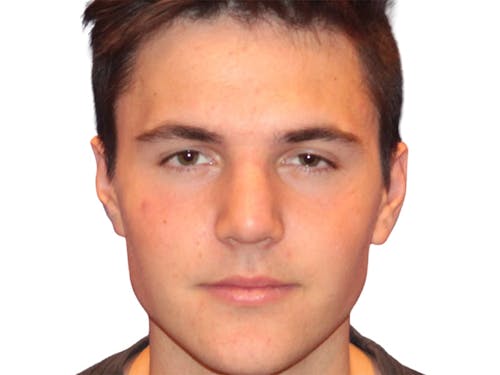
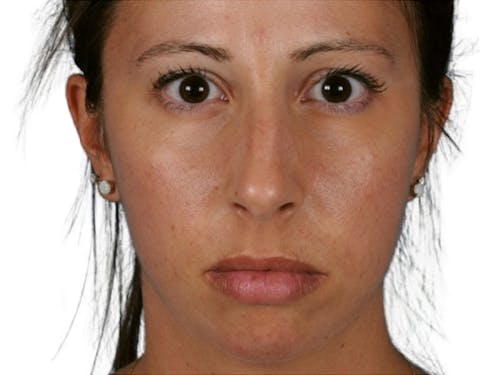
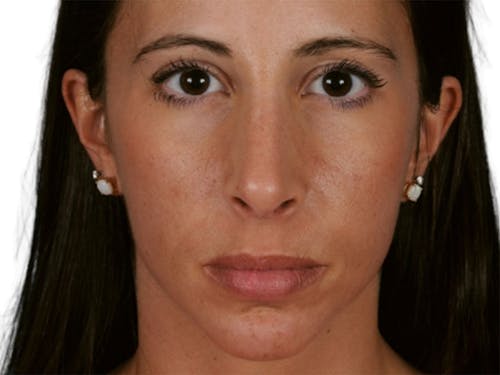
The most common unfortunate results of previous rhinoplasties are retracted nostrils, “pinched” tips, “pig” noses, and scooped-out bridges. As you will see from these photos, you do not have to live with unattractive or unnatural results.
Before and After Photos
See the following link for before and after photos of patients who have had this procedure: Rhinoplasty Photos
We also have a section dedicated to Revision Rhinoplasty Photos.